OTS Info

  • Wide

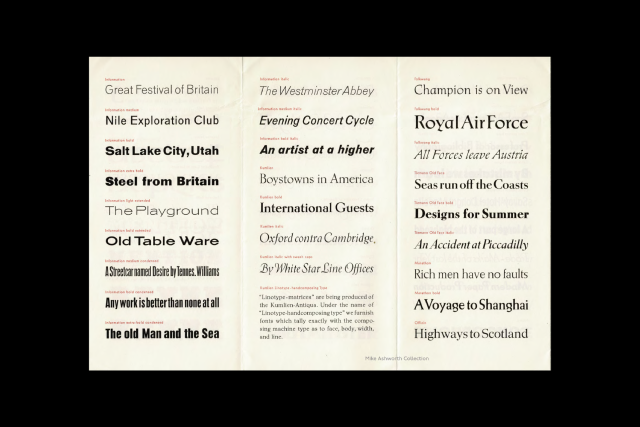
ORB Info is based on Information breit fett (English: Information Extra Bold Wide). An extension of the Information family, designed by Friedrich K. Sallwey. Friedrich Karl Sallwey (1918–2005) studied in Offenbach and later worked at Klingspor, becoming known for typefaces like Information Breitfett, which he originally cast in 1956 or 1958 at Klingspor in a 20 pt size; Stempel later expanded the series to sizes ranging from 6 to 60 pt. Some sources cite 1956 as the cast date, others 1958, and it’s noted that Klingspor was near the end of typecasting operations when it was first released. A very bold, wide display sans-serif design—part of the Information family, created as a one‑style (extra‑bold wide) extension to the broader Information series.

Year: 2022-2026
First sketch: 2022
Styles: Thin, Light, Regular, Medium, Bold, Black
Features: 12 stylistic sets
Glyphs: 742 glyphs
Formats: OTF, TTF, WOFF, WOFF2
Support: Laura Csocsán

Styles

Thin

Light

Regular

Medium

Bold

Black

Specimen
1 of 1
16px
1
DOSSIER DOSSIER
150px
1
HAUPTPROBE Abcdef
138px
0.9
Fabrication No.227
–241 recto & verso
15 different sizes 5 Fabrication No.227
–241 recto & verso
15 different sizes 5
114px
1
→“Gesetzlich geschützt” →“Gesetzlich geschützt”
110px
1.05
ISSUE No. 23, 1951 to 1953 Käch ISSUE No. 23, 1951 to 1953 Käch
110px
1.05
Specimen 57A Mass & Jungvo Rec Specimen 57A Mass & Jungvo Rec

OpenType Features

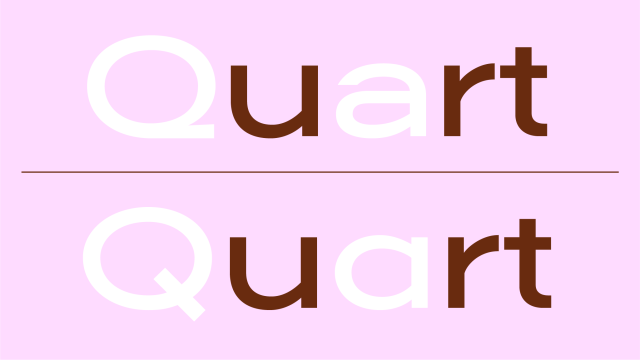
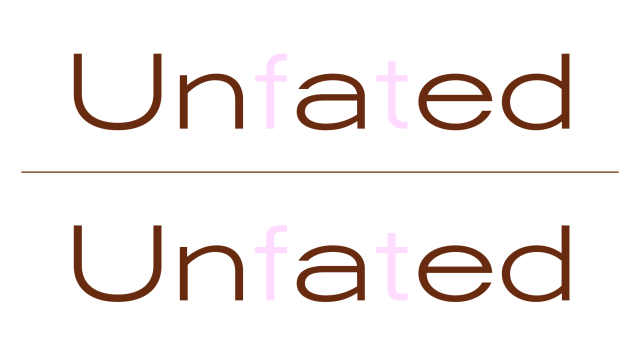
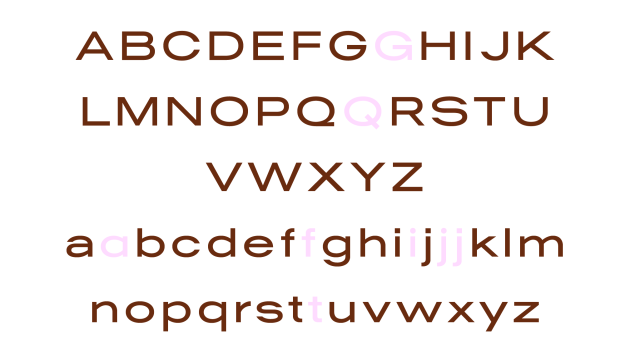
Alternate Q a f t
1 of 3
/
16px
1
ISBN: 872-605-6 ISBN: 872-605-6
25px
1.3
In 1876, a German clock maker, 
Ottmar Mergenthaler, who had emigrated to the United States in 1872, was approached by James O. Clephane and his associate Charles T. Moore, who sought a quicker way of publishing legal briefs. By 1884, he conceived the idea of assembling metallic letter molds, called matrices, and casting molten metal into them, all within a single machine. His first attempt proved the idea feasible In 1876, a German clock maker, 
Ottmar Mergenthaler, who had emigrated to the United States in 1872, was approached by James O. Clephane and his associate Charles T. Moore, who sought a quicker way of publishing legal briefs. By 1884, he conceived the idea of assembling metallic letter molds, called matrices, and casting molten metal into them, all within a single machine. His first attempt proved the idea feasible
25px
1.3
Initially, the Mergenthaler Linotype Company
(led by Ottmar Mergenthaler and eventually also James O. Clephane) held the patents producing linecasting machines. This created an environment in which only Linotype could produce new machines. A patent war with the Typograph from R. Rogers, invented around the same time, started soon but several companies (including Linotype itself) bought old machines and made improved versions of it. After the patents expired, other companies would begin manufacturing similar machines: The Intertype Company Initially, the Mergenthaler Linotype Company
(led by Ottmar Mergenthaler and eventually also James O. Clephane) held the patents producing linecasting machines. This created an environment in which only Linotype could produce new machines. A patent war with the Typograph from R. Rogers, invented around the same time, started soon but several companies (including Linotype itself) bought old machines and made improved versions of it. After the patents expired, other companies would begin manufacturing similar machines: The Intertype Company

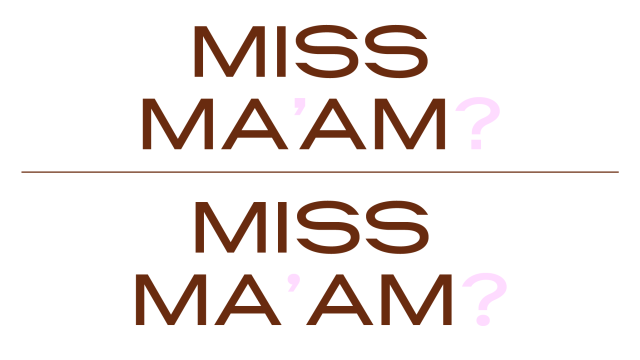
Rounded Alternates

1 of 2
/
16px
1
GRAPHESIS GRAPHESIS
16px
1.4
It’s not just our alphabet that is rooted in financial record-keeping. The layout and ordering of INFORMATION also started with financial records. In Graphesis (❷⓪❶④), Johanna Drucker explains how tabular formatting on early clay tablets reveals the first use of the design grid. Just like spreadsheets today, the grids on clay tablets show a mathematical thought process. The graphical ordering of financial INFORMATION commands authority, even though financial scandals have shown that mathematically correct tables in annual reports can hide a world of fraud and financial malpractice. It’s not just our alphabet that is rooted in financial record-keeping. The layout and ordering of INFORMATION also started with financial records. In Graphesis (❷⓪❶④), Johanna Drucker explains how tabular formatting on early clay tablets reveals the first use of the design grid. Just like spreadsheets today, the grids on clay tablets show a mathematical thought process. The graphical ordering of financial INFORMATION commands authority, even though financial scandals have shown that mathematically correct tables in annual reports can hide a world of fraud and financial malpractice.
Back to top

© Orb. All rights reserved, 2026.